From Kratom Leaf to Powder: How Kratom Is Made
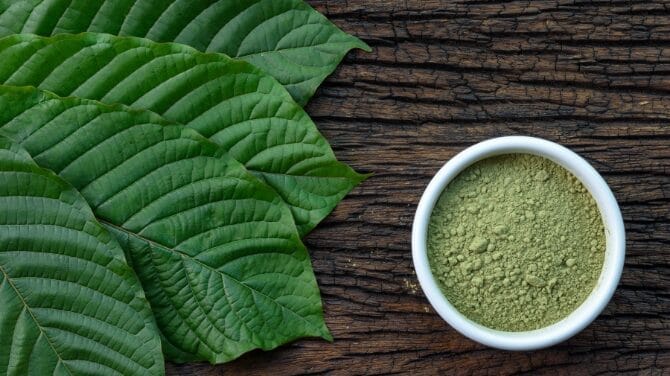
Every bag of kratom powder starts as fresh kratom leaf picked from a tree in Southeast Asia. Between the tree and your door, that leaf goes through sorting, drying, milling, testing and sealing. Knowing those steps makes it much easier to judge a batch. It also helps you understand why two powders with the same name can look and smell different.
Also, you can check where we deliver, read the legal status in Canada or learn about our team.
Step 1: Harvesting the Kratom Leaf
Workers pick kratom leaf by hand from Mitragyna speciosa trees. Most often, these are mature trees that have been growing for several years. Pickers select full-sized leaves. Because the tree is evergreen, they can harvest the same trees again as new leaves grow.
Workers also record the colour of each leaf’s central vein at picking. This matters because the trade later sorts leaf into red, green and white categories. Harvest timing matters too: research has found that the natural alkaloid content of the leaf shifts with the season. As a result, leaf picked in different months can test differently. Mitragynine explained covers that variation.
Step 2: Sorting and Removing Stems
Fresh leaf arrives at a drying site in large batches. Workers sort it by vein colour and remove twigs, damaged leaves and foreign material. They also often reduce the thick central vein and stems at this stage or sieve them out later. That is because they are fibrous and grind less finely than the leaf blade.
Good sorting is invisible in the finished product, which is exactly the point. Poorly sorted leaf leads to gritty, stemmy powder with an uneven colour. In fact, it is one of the first quality differences you can notice when you open a pouch.
Step 3: Drying the Leaf
Drying is the step that most shapes the finished powder. Fresh leaf holds a lot of water, so producers must dry it thoroughly before milling or it will spoil. Producers use a few broad approaches:
- Indoor or shade drying in ventilated rooms, which protects the leaf from direct sunlight and keeps colour greener;
- Sun drying outdoors, which is faster but darkens the leaf;
- Mixed or extended methods, where producers dry leaf for longer or move it between indoor and outdoor conditions.
Drying can take from a few days to more than a week depending on the method and the weather. Trade names such as “yellow” and “gold”, according to sellers, generally come from particular drying methods rather than a different leaf. Kratom strains explained covers how those names work.
Step 4: Milling and Sieving
Once the leaf is fully dry and brittle, producers mill it into powder, usually with mechanical grinders. Then they pass it through fine mesh sieves. Sieving removes remaining vein and stem fragments and gives the powder an even texture.
However, producers do not mill all kratom to a fine powder. Crushed leaf means dried leaf that producers break into small flakes instead of grinding. For this reason, it looks more like loose tea than flour. Powder is by far the most common format in Canada. It is also the format our shop carries, alongside pre-measured capsules.
Step 5: Testing and Packing
Before powder goes on sale, a reputable supply chain sends each batch to a laboratory for testing. A useful Certificate of Analysis covers alkaloid content and, just as importantly, screening for heavy metals and microbial contaminants such as Salmonella and E. coli.
Producers then pack the powder into sealed pouches. Light, air, heat and moisture all work against dried leaf, so good packaging is resealable, light-blocking and airtight. The batch or lot number printed on the pouch is what connects the product in your hands to its laboratory report. Our COA guide shows what to check.
Why Two Batches Can Look Different
Even when leaf follows the same five steps, no two batches come out exactly alike. The weather during drying changes how quickly the leaf loses moisture and how dark it becomes. The fineness of the mill and the mesh size of the sieve change the texture. Time matters too: powder that has spent longer in transit or storage can lose some of its fresh colour and aroma.
None of that is a problem in itself. It is the reason a batch number and a matching laboratory report matter more than a product name. It also explains why a seller who tests every batch, rather than one sample a year, gives you a far clearer picture of what you are buying. Mitragynine explained covers why alkaloid results also shift between batches.
Freshness Signs When You Open a Pouch
You cannot see a laboratory result by eye. However, a few simple checks tell you a lot about how well producers handled the leaf:
- Colour: a consistent colour throughout, without grey or brown patches;
- Aroma: an earthy, herbal smell; a musty or sour smell points to age or moisture;
- Texture: fine and free-flowing, with no hard clumps or visible stem fibres;
- Packaging: sealed, light-blocking and labelled with a batch number.
Once opened, keep the pouch sealed and store it somewhere cool, dark and dry. For the plant behind all of this, read Mitragyna speciosa: the kratom tree.
Frequently Asked Questions
What is crushed leaf kratom?
Crushed leaf consists of dried kratom leaf broken into small flakes rather than milled into fine powder. As a result, it looks more like loose tea leaves.
Why does kratom powder vary in colour?
Vein colour at harvest and the drying method both change the shade of the finished powder. So do the fineness of the milling and the age of the stock.
How long does it take to dry kratom leaf?
From a few days to more than a week. The time depends on the weather and on whether producers dry the leaf indoors, in sunlight or with a longer mixed method.
Is kratom powder made from the whole leaf?
Mostly from the leaf blade. Workers remove stems and thick central veins during sorting or sieve them out after milling because they grind unevenly.
Related guides
Lab-Tested Kratom in Canada: How to Read a COA
What a kratom Certificate of Analysis should show, how to read each line, and the red flags that mean you should order elsewhere.
Green Maeng Da Kratom: The Strain Profile
What the Maeng Da name means, how the leaf is harvested and dried, and what a quality batch looks like.
What Is Kratom? A Simple Guide for Canadians
What kratom is, where it comes from, its legal status in Canada and how to spot lab-tested quality.
Mitragynine: Kratom's Main Alkaloid, Explained
Kratom Strains Explained: Vein Colours and Names
Keep exploring
Shop lab-tested kratom
Same-day delivery across the Greater Toronto Area · Canada-wide shipping from Vaughan, Ontario.